
Just Bought a New Boat? What to Do (and Avoid) in the First 20 Engine Hours
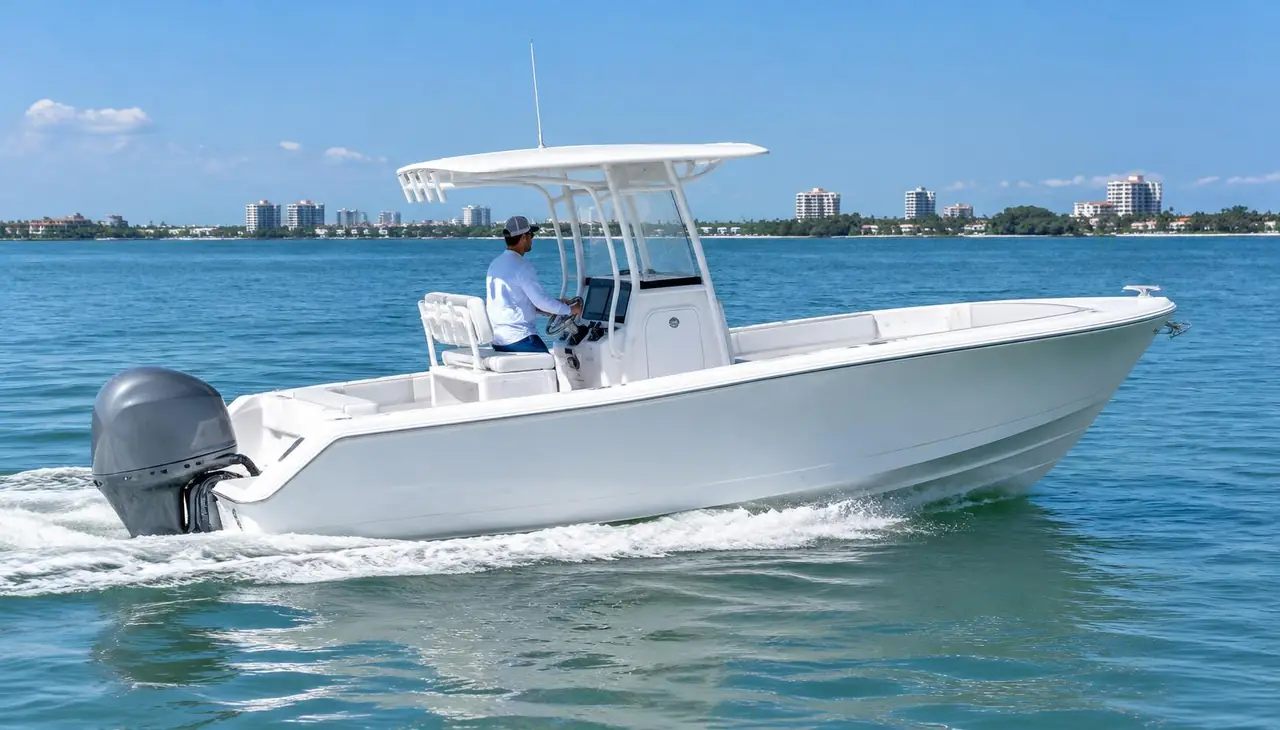
Picking up a new boat in the Sarasota or Bradenton area is an exciting day, and it is tempting to head straight out to the grass flats or run the Intracoastal at wide open throttle to see what the boat can do. New outboards, however, need a careful introduction to the water. The metal surfaces inside the engine are still seating against each other, and how you run the motor during the first 20 hours has a real effect on how smoothly it performs later, especially once Florida heat and daily saltwater use become part of the routine.
Why the Break In Period Matters
Inside a new outboard, piston rings, cylinder walls, and bearings have not fully worn in to match each other yet. Running the engine gently and at varying speeds during this period helps those surfaces seat evenly. Settling into one constant RPM too early, or pushing the engine to wide open throttle before it is ready, can create uneven wear patterns that show up later as reduced performance or higher oil consumption.
Vary Your Speed, Do Not Settle on One RPM
During break in, the engine benefits from a mix of speeds rather than a steady cruise. Idle around the marina, bring the throttle up through the mid range, ease back down, and repeat. This constant change in load and RPM is part of what helps the internal components seat properly. Running at a single fixed speed for long stretches, even if it feels like the safe choice, works against the process.
- Avoid long periods at any single RPM during the first several hours
- Change throttle position regularly throughout each outing
- Let the engine come up to operating temperature before increasing speed
Avoid Extended Full Throttle Runs
It is fine to briefly bring the engine up to higher RPM during break in, short bursts are generally part of a healthy break in pattern. What you want to avoid is holding wide open throttle for a sustained run, such as a long trip across the bay at full speed. Save those long fast runs for after the break in period specified for your particular engine is complete.
Watch Your Gauges Closely
New boat owners are often focused on steering and docking during those first trips, but the instrument panel deserves attention too. Keep an eye on water temperature, oil pressure, and the telltale stream of water exiting the engine, which tells you the cooling system is drawing water properly. In our local saltwater conditions, a cooling issue can turn into overheating faster than in fresh water, so catching a warning sign early matters.
- Check that the telltale stream is consistent whenever the engine is running
- Note any warning lights or alarms immediately and throttle back
- Glance at temperature and oil pressure readings periodically, not just once at startup
Why the First Scheduled Service Matters
Most new outboards call for an initial service at a set number of hours, often falling within that first 20 to 25 hour window. This service typically includes an oil and filter change, along with a general inspection of fittings, hoses, and connections that may have settled slightly after the first hours of vibration and heat cycling. Skipping or delaying this service is one of the more common mistakes new owners make, since the engine seems to be running fine and there is no obvious symptom pointing to a problem.
Keeping this service on schedule gives a mechanic the chance to catch small issues, like a loose clamp or a developing leak, before they become bigger problems once the boat is in regular use.
Keep Records From Day One
Start a simple log for your boat covering the date, engine hours, and what service was performed, beginning with that very first trip off the lot. This record becomes valuable if you ever need to reference warranty coverage, and it also gives a mechanic useful history to work from at every future visit. A phone note or a small notebook kept in the glove box works just as well as anything more complicated.
- Log the date and hour meter reading after every fueling or service
- Save receipts and paperwork from the initial service in one place
- Note anything unusual you noticed on the water, even if it seemed minor
When to Call a Mechanic
If you notice an alarm, a change in exhaust smell or color, a drop in the telltale stream, or anything that feels off compared to your first few trips, it is worth having the engine looked at rather than waiting. The break in period is also a good time to ask questions about your particular engine's recommended service interval, since this can vary by manufacturer and horsepower.
If you just brought home a new boat and want help getting the first scheduled service done right here in the Sarasota and Bradenton area, call M3 Mobile Marine at (941) 720-9558 to get it on the calendar.
Related serviceOutboard Hour Services