
After a Storm: What to Check on Your Boat Before You Run It
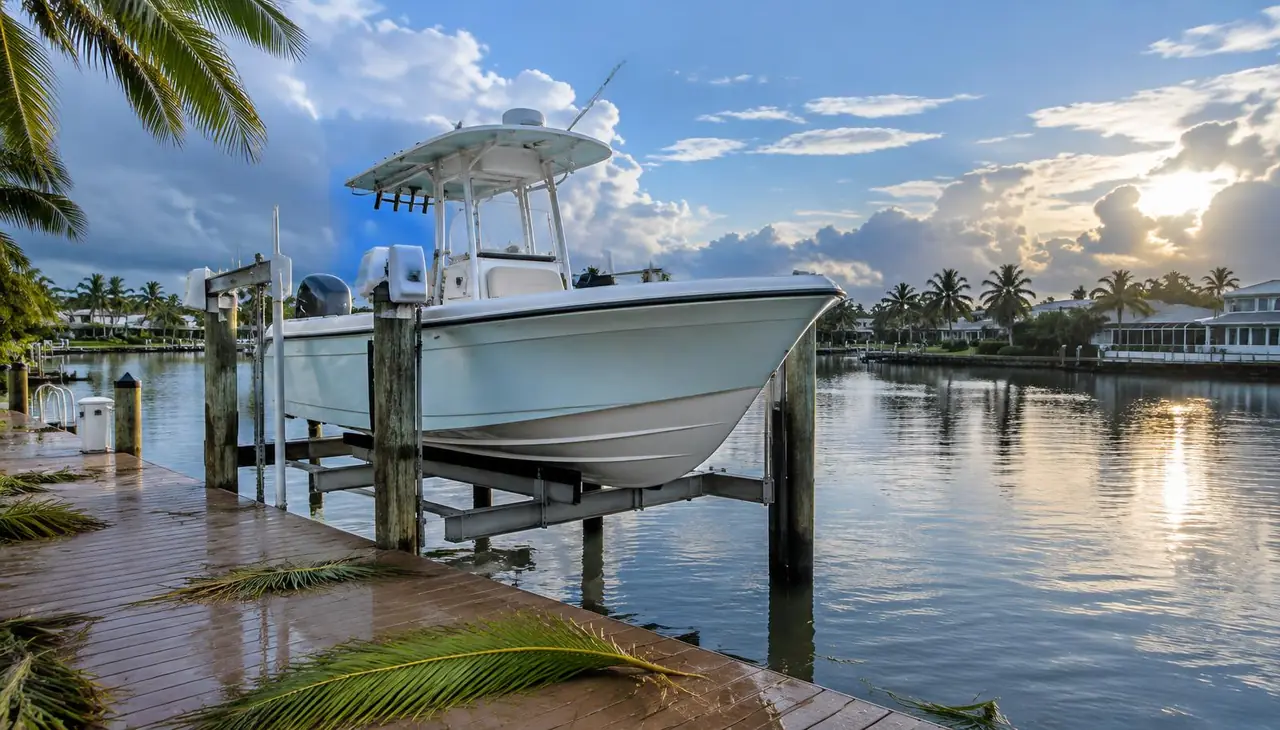
Summer storms move through the Sarasota and Bradenton area quickly and often, and even a boat that rode out the weather without obvious damage deserves a careful look before heading back out. Wind, rain, and storm surge can affect a boat in ways that are not always visible at first glance, and running the engine before checking a few key things can turn a minor issue into a bigger one.
Check for Water in the Bilge
Heavy rain and wind driven water can find their way into a boat through hatches, fittings, or areas where a seal has started to wear. Before doing anything else, open up and check the bilge for standing water beyond what you would normally expect. If you find more water than usual, take time to figure out where it came from before assuming it is just rain runoff.
- Open the bilge and check for water beyond a normal amount
- Run the bilge pump manually to confirm it is working if water is present
- Look for the source of any unexpected water before continuing
Check Fuel for Water Contamination
Water can sometimes make its way into a fuel system during heavy storms, particularly through vents or fill openings that were exposed to driving rain or splashing water. Water in fuel can cause rough running or stalling once the engine is underway. If you have any reason to suspect water intrusion, checking a fuel sample through the water separator, if your boat is equipped with one, is worth doing before running the engine.
Inspect Lift and Dock Hardware
Storms put stress on docks, lifts, and the lines or straps holding your boat in place. Before using the lift or loosening dock lines, visually check cables, straps, cleats, and pilings for any damage or shifting that occurred during the storm. A lift cable or strap that was already under strain can fail at the worst possible moment if a problem goes unnoticed.
- Inspect lift cables and straps for fraying or damage before use
- Check dock cleats and pilings for looseness or shifting
- Look over dock lines and fenders for wear from the storm
Look at Electrical Connections
Wind driven rain and higher humidity during a storm can affect electrical connections that were already due for attention, particularly in a battery compartment or at exposed wiring connections. Before starting the engine, a quick visual check of battery terminals and accessible wiring connections for moisture or corrosion can help you catch a problem before it causes an issue underway.
Check Steering and Trim
Before leaving the dock, cycle the steering through its full range and test the trim and tilt functions while still tied up. Debris stirred up by a storm, including sand or small debris in the water, can occasionally affect these systems, and it is much easier to notice an issue while still at the dock than once you are underway.
Engine Checks Before Starting
Give the engine compartment and lower unit a visual check for anything unusual, including debris wrapped around the propeller or lower unit, before starting it up. Once you do start the engine, let it idle at the dock briefly and confirm the telltale stream is flowing normally before heading out, rather than immediately pulling away from the dock.
- Check the propeller and lower unit for debris before starting the engine
- Let the engine idle at the dock and confirm the telltale stream looks normal
- Address anything unusual before leaving the dock rather than waiting
When to Call a Mechanic
If you find water in the bilge or fuel that you cannot account for, notice damage to lift or dock hardware, or anything feels off with steering, trim, or engine performance during these checks, it is worth having a mechanic look things over before you take the boat out. A thorough post storm check takes far less time than dealing with a breakdown on the water.
If your boat went through a storm and you want a thorough check before your next trip, call M3 Mobile Marine at (941) 720-9558.
Related serviceOutboard & Sterndrive Repair and Diagnostics